Materials

Turning diverse materials into valuable resources.

Acceptance depends on composition, contamination, volume, location, equipment requirements and available markets.

Generally accepted

Common recoverable streams

  • Paper and cardboard
  • Selected plastics
  • Ferrous and non-ferrous metals
  • Glass
  • Wood and fibre
  • Large appliances and reusable items
Confirm acceptance →
Review required

Material-specific assessment

  • Mixed or contaminated loads
  • Textiles
  • Organics and food-containing streams
  • Composite materials
  • Construction materials
  • Custom industrial by-products
Request review →
Not accepted without approval

Restricted or hazardous materials

  • Hazardous or biomedical waste
  • Radioactive materials
  • Compressed gas cylinders
  • Explosives
  • Asbestos
  • Unidentified chemicals
Ask before delivery →
Material journey

Different materials require different recovery pathways.

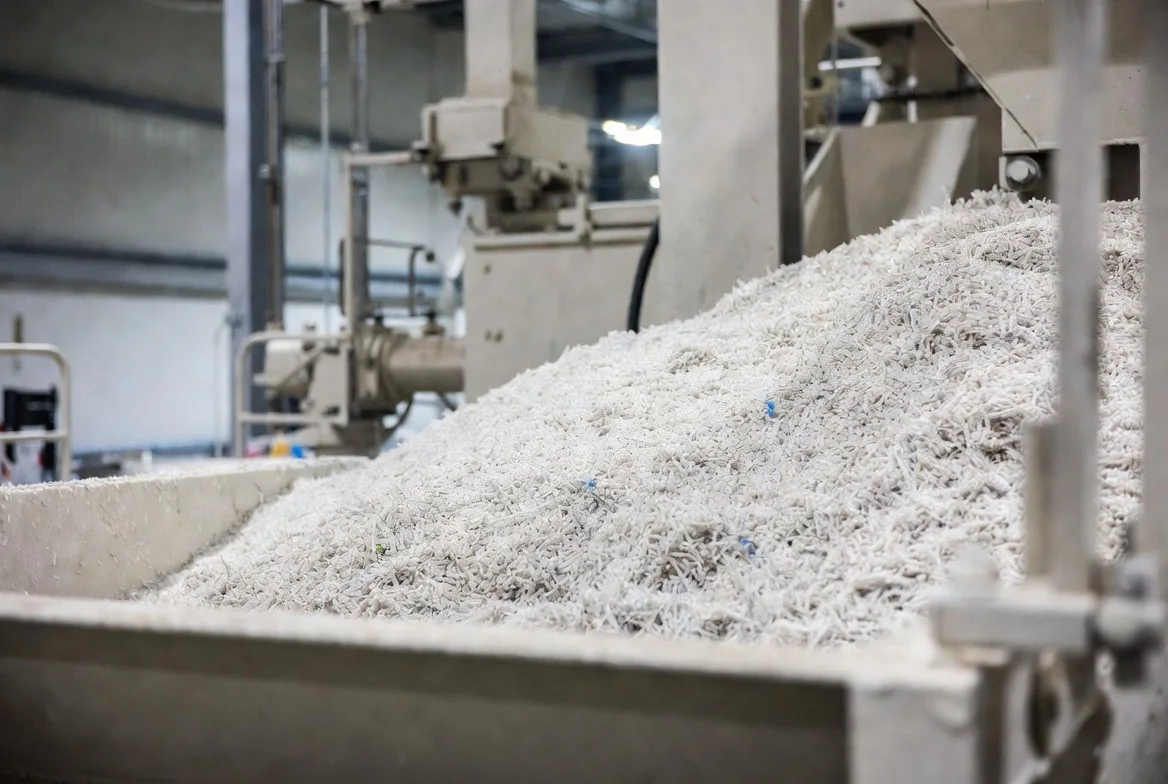
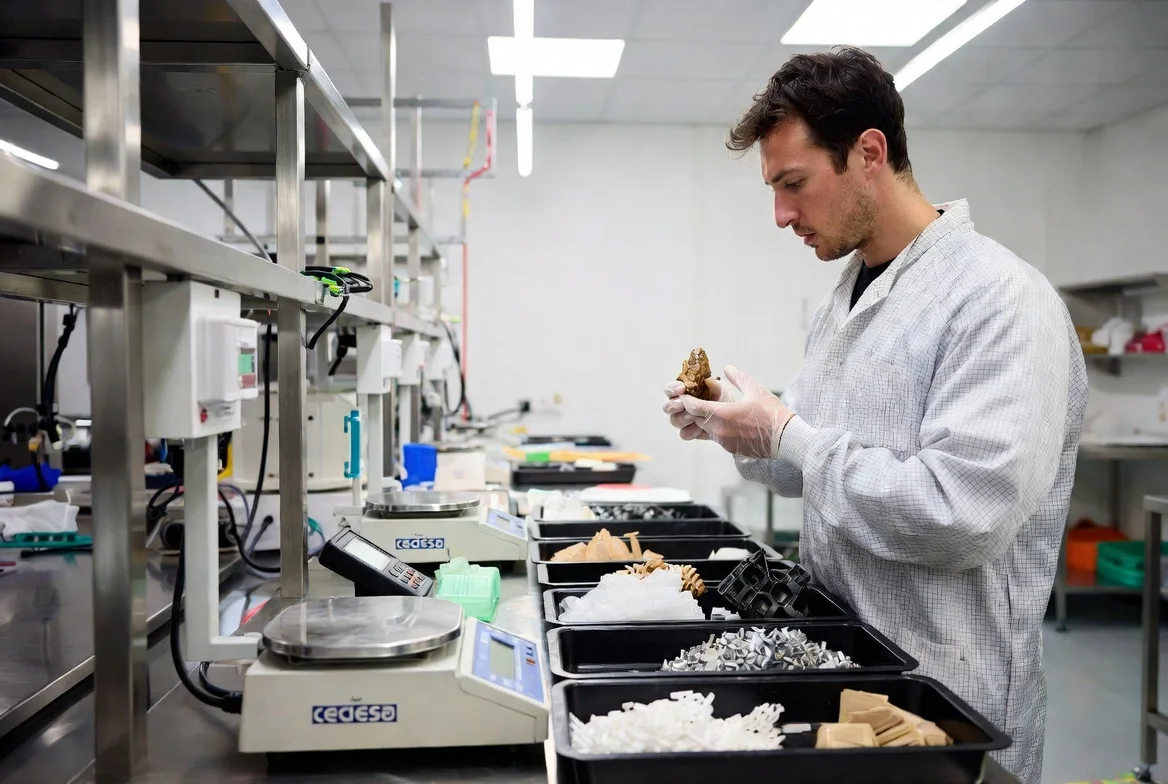
Representative process images below illustrate receiving, separation, preparation and validation. Final pathways depend on material testing and approved markets.
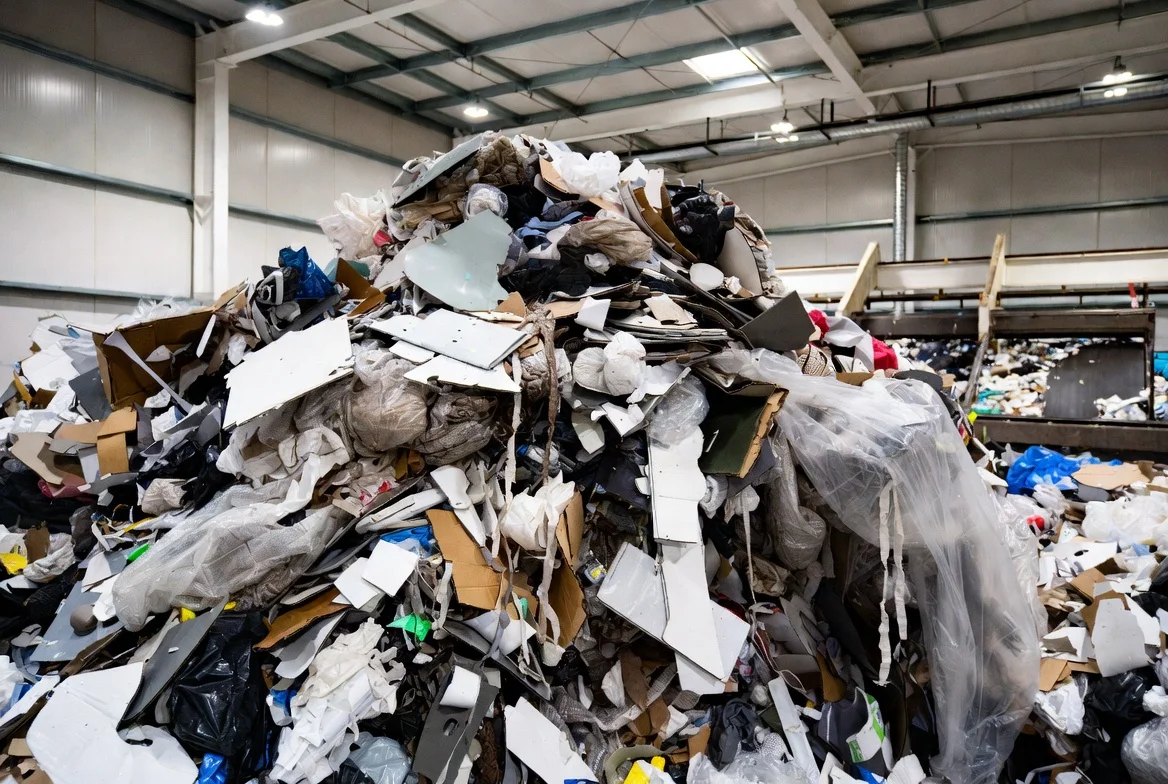
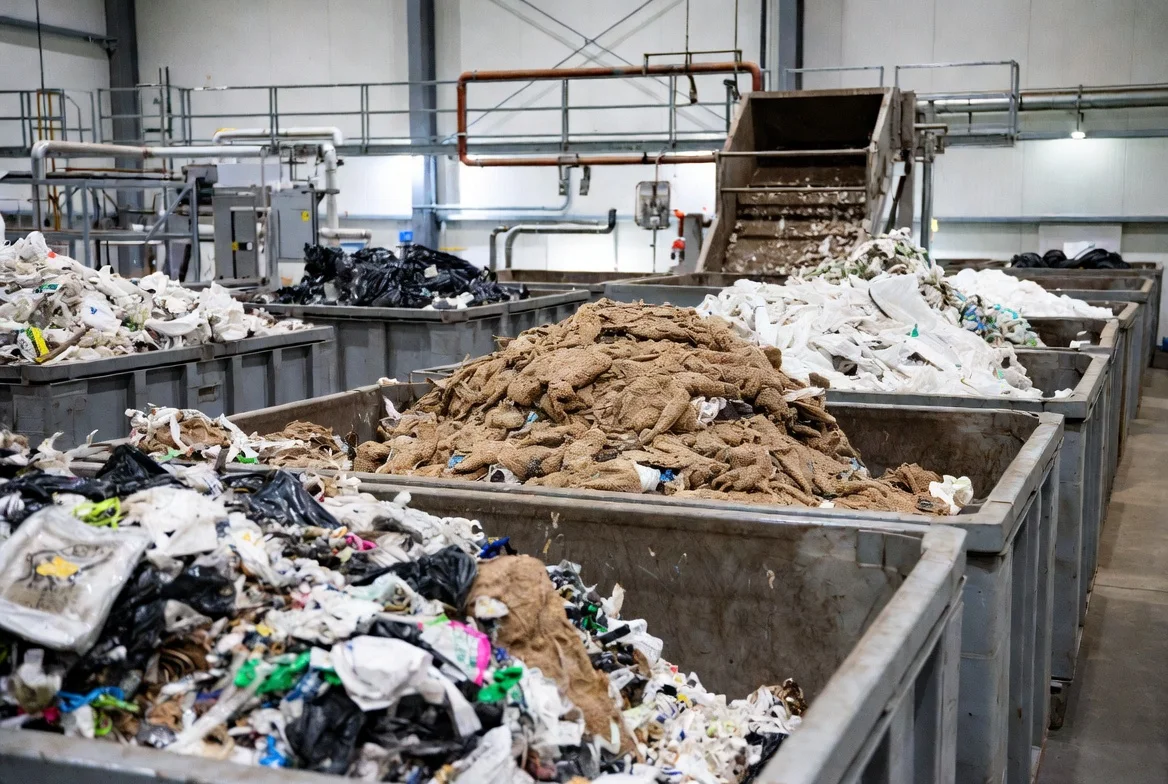
Mixed recovered feedstock at Harvest plant
Receive & assessIdentify composition, contamination and handling needs.
Size-reduced flexible material at Harvest plant
SeparateUse density, size and equipment response to create cleaner fractions.
Prepared mixed feedstock sample at Harvest plant
PrepareReduce size and prepare suitable feedstock for testing.
Fine lightweight recovered fraction at Harvest plant
ValidateTest characteristics and confirm an approved recovery route.
Contact Harvest before sending any material. Final acceptance is confirmed only after review.
Have a material question?

Send photos, volume and location for review.

Ask Harvest →
Request Assessment